

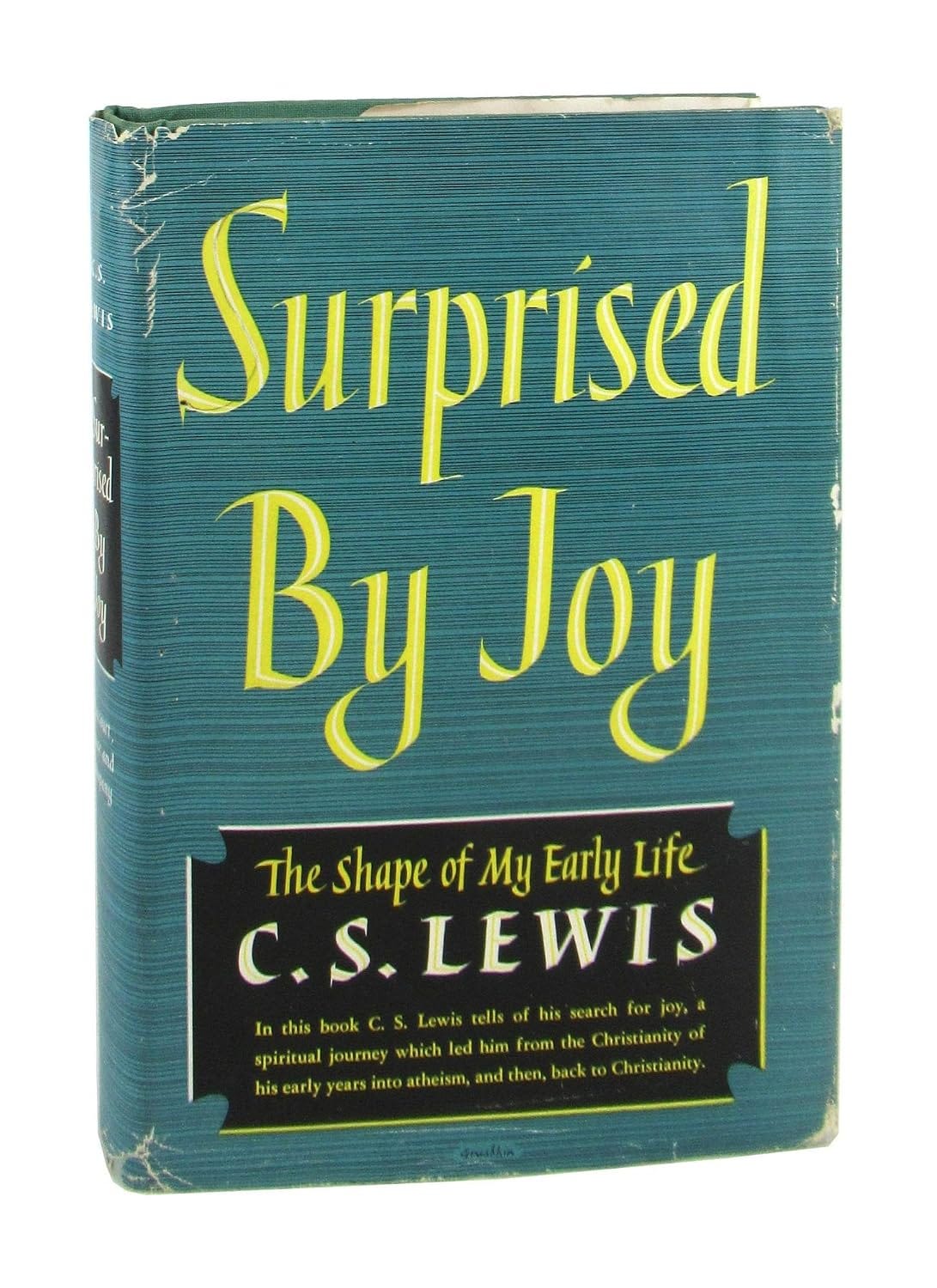
C.S. Lewis writes in the preface of his spiritual autobiography, Surprised by Joy:
“I never read an autobiography in which the parts devoted to the earlier years were not far the most interesting.”
In the following biography, I hope to do his early years justice.
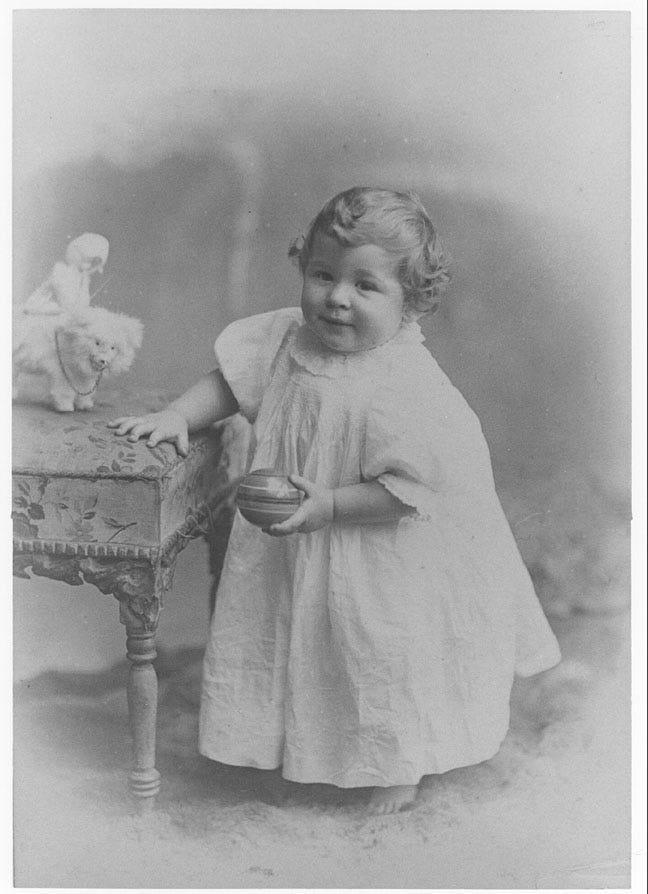
Clive Staples Lewis was born on 29 November 1898 in the city of Belfast in Northern Ireland.
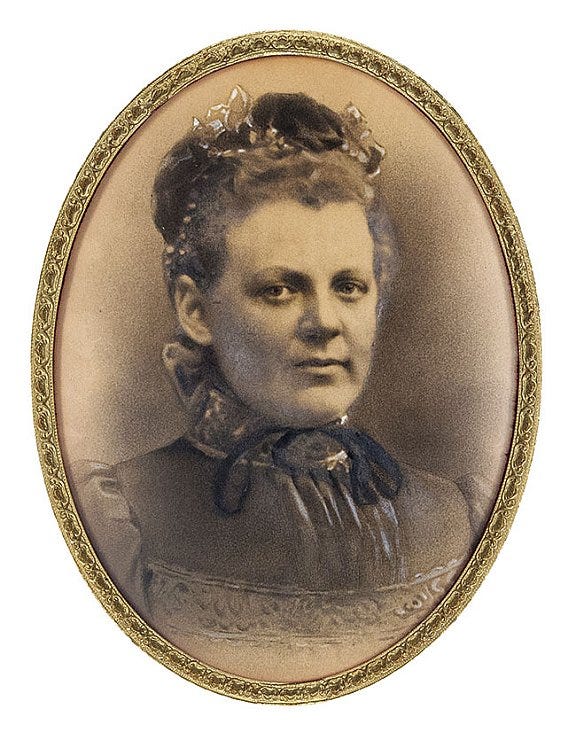
His mother, Florence Hamilton, known as Flora, was the daughter of a Church of Ireland clergyman named Thomas Hamilton.
Thomas had been a chaplain in the Baltic during the Crimean War. He held the view, common among the Protestants of Northern Ireland, that the Roman Catholic church was composed of “The Devil’s Children.” In fact, he failed to believe that they could obtain salvation. This, in spite of the fact that he lived in the eternal city of Rome for four years as a minister. Though he did not believe that the damned were condemned to suffer forever. He believed that those sent to hell would simply be annihilated or snuffed out. Something that would weigh on his grandson’s theological mind years later.
While living in Rome with her father as a young girl, Lewis’s mother Flora would wander into a church, where she would come across the body of a saint lying in a glass coffin, who she saw blink its eyelids. When reporting on the incident to her family, they failed to believe her. Much like the character Lucy in one of C.S. Lewis’s most famous stories, The Lion, the Witch, and the Wardrobe, who had stumbled into Narnia, only to be seen by her family as a young girl, lost in imagination.
Thomas Hamilton, while strong in his particular theological views, could be quite warm, enjoying a hearty meal, and going on long walks with his friends.
Flora was intellectually sharp, earning an honours degree in mathematics at Queen’s University Belfast.
In 1894, Flora was given in marriage to Albert Lewis, a police solicitor in the Belfast courts. He apparently had to put on quite the courtship to win over her father, as C.S. Lewis’s older brother, Warren, or Warnie, would say.
“Rarely has a Jacob served more arduously for his Rachel than did Albert.”
Albert Lewis was the son of an engineer for a steamship company named Richard Lewis.
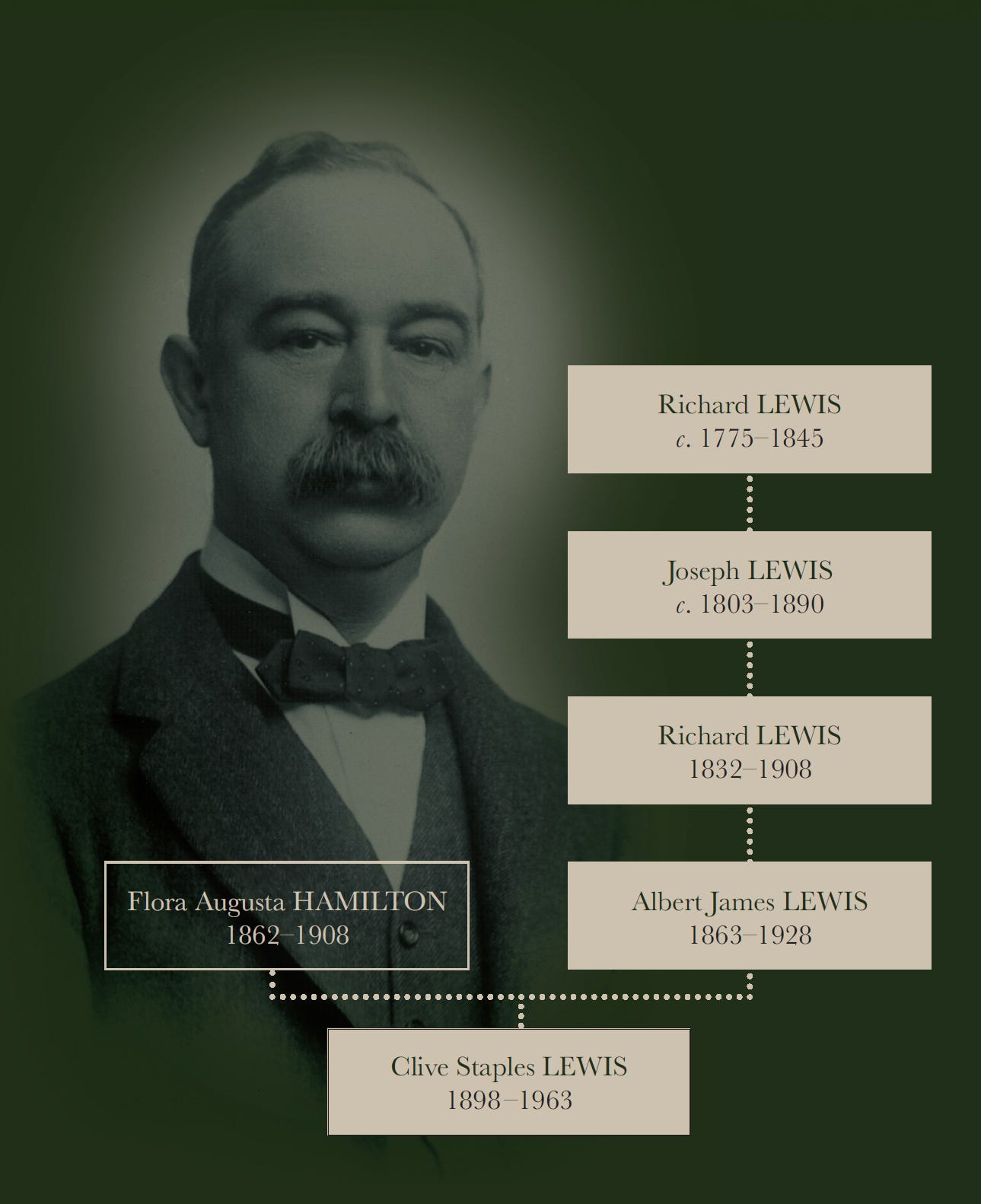
Richard, would spend his evening reading theological papers to his coworkers, writing,
“ God has threatened the sinner, but from the character the Bible gives of Him, His threatenings are all to be applied conditionally. His will is that all shall be saved.”
Richard also wrote science fiction stories for his children, with tales of telescopes that can see the men on the moon. Lewis himself would later go on to write his own tales of scifi adventures, with his Ransom trilogy.
It is clear that C.S. Lewis would come to share much in common with his grandfathers.
Albert Lewis, C.S. Lewis’s father was an intelligent man who loved a good argument. Educated by W.T. Kirkpatrick, a brilliant logician, Albert initially aspired to become a lawyer. However, he did not have the financial means to support this ambition, entering into a career as a solicitor instead. Where he would frequently practice his skills of oratory and display his sense of humour. His “wheezes” as his son would describe them, were long, humorous stories that Albert would share with the family.
An example of such is recorded in A.N. Wilson’s biography of C.S. Lewis. Wilson writes:
One of the more bizarre ‘wheezes’ concerned an occasion when he was travelling in an old fashioned train of the kind which had no corridor, so that the passengers were imprisoned in their compartments for as long as the train was moving. He was not alone in the compartment. He found himself opposite one other character, a respectable-looking farmer in a tweed suit whose agitated manner was to be explained by the demands of nature. When the train had rattled on for a further few miles, and showed no signs of stopping at a station where a lavatory might have been available, the gentleman pulled down his trousers, squatted on the floor of the railway carriage and defecated. When this operation was complete, and the gentleman, fully clothed, was once more seated opposite Albert Lewis, the smell in the compartment was so powerful as to be almost nauseating. To vary, if not to drown the odour, Albert Lewis got a pipe from his pocket and began to light it. But at that point the stranger opposite, who had not spoken one word during the entire journey, leaned forward and censoriously tapped a sign on the window which read NO SMOKING.
C.S. Lewis would later write that his father “had many of the gifts once needed by a Parliamentarian—a fine presence, a resonant voice, great quickness of mind, eloquence, and memory.”
Albert was also a poet, writing in 1882:
I hate the petty strifes of men
Their ceaseless toil for wealth and power:
The peace of God in lonely glen
By whispering stream at twilight hour
Is more to me than prelates’ lawn
Than stainless ermine, gartered knee,
I wait Christ’s coronation morn
And rest, my God, through faith in Thee.
Albert was a deeply pious man, though not as theologically rigid as his father in law. Once, while riding in a carriage with both Catholics and Protestants, one of the Protestant passengers exclaimed:
‘I heard the priest say that old prayer “Our Father”. I should like to ask you a question. Did we steal that prayer from your church or did you steal it from us?’ Albert Lewis was astonished. He said quietly, ‘We both “stole” it from our Saviour …
Albert’s sectarian surroundings required of him something of a “Mere Christianity”.
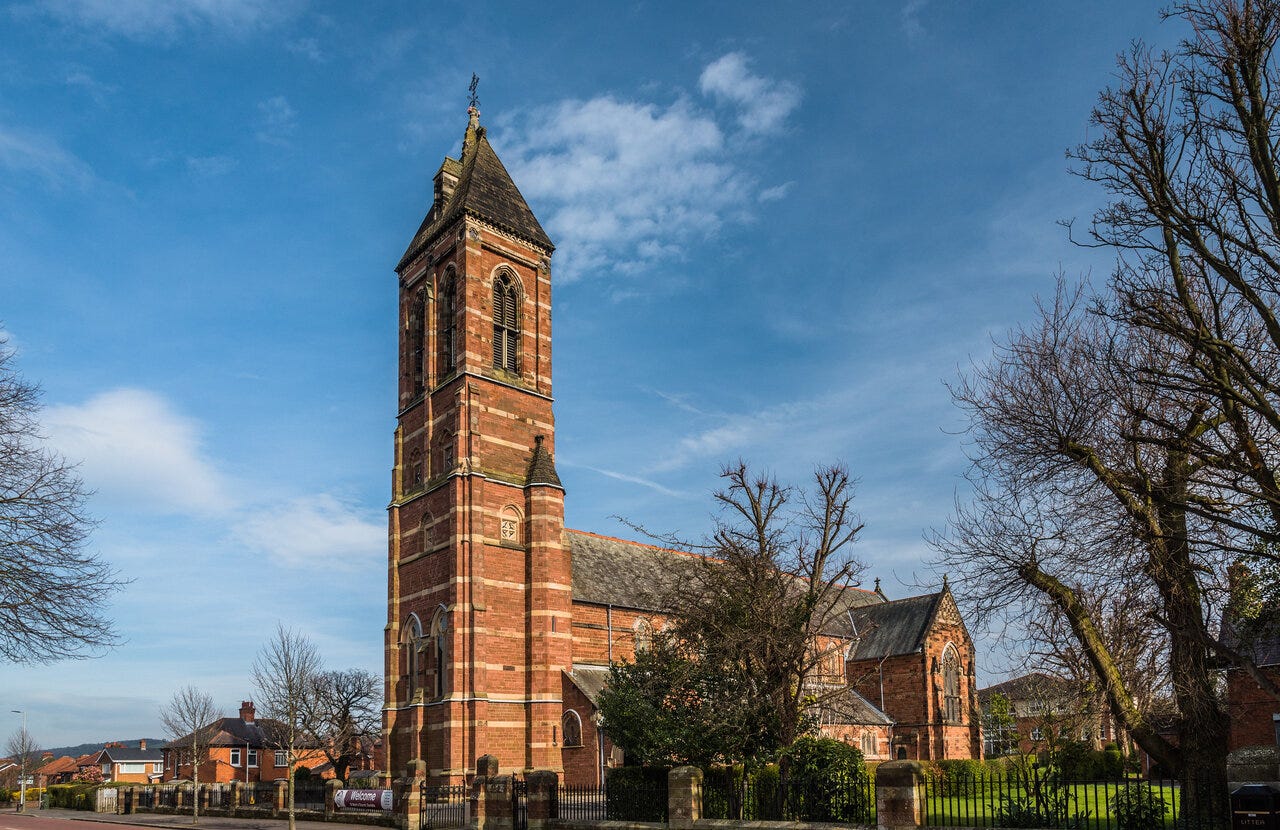
Albert and Flora would make their first home near the parish of St Mark’s, Dundela, where Flora’s father was the parson. Both of their children were born here, Warren Hamilton Lewis, born on June 16, 1895, affectionately known as Warnie, or Badger and Clive Staples Lewis, born three years later on November 29, 1898, and known to his family as Jacks or Jack, and by his older brother as, “It”.
C.S. Lewis claimed the moniker of Jack at the age of 4. The story goes that he was fond of a village dog named Jacksie. When the dog was accidentally killed by a carriage, the young boy took the name as his own. Announcing to his mother that he was now Jacksie. Which was quickly shortened to Jack. He achieved his aim by ignoring all who addressed him as Clive.
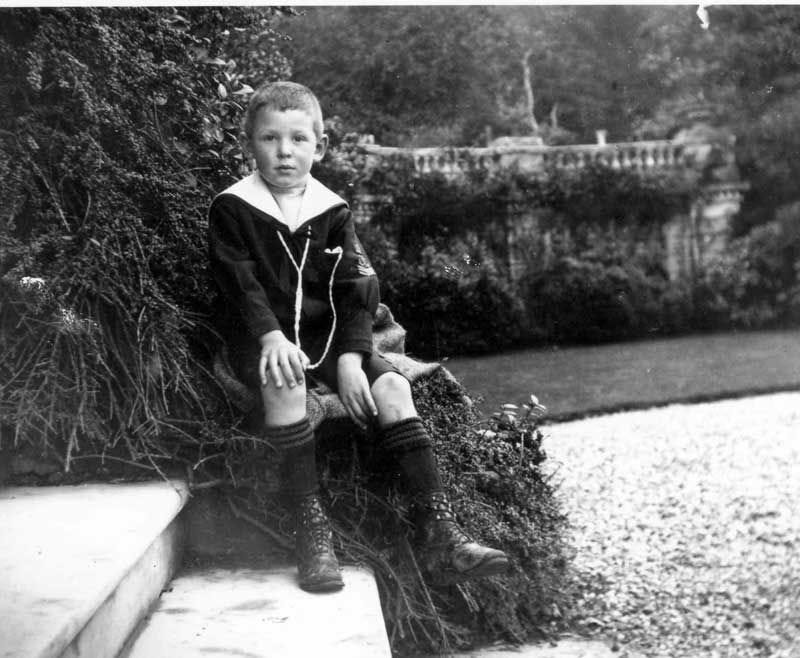
Lewis describes his earliest years, thusly:
In addition to good parents, good food, and a garden (which then seemed large) to play in, I began life with two other blessings. One was our nurse, Lizzie Endicott, in whom even the exacting memory of childhood can discover no flaw— nothing but kindness, gaiety, and good sense…
The other blessing was my brother. Though three years my senior, he never seemed to be an elder brother; we were allies, not to say confederates, from the first.
His nurse, Lizzie, taking him on walks on rainy days, would often say to him:
“Now mind out there, Master Jacks, and keep your feet out of the puddles. Look at it there, all full of dirty wee popes.”
Her religious convictions, as those of many in Northern Ireland, were decidedly Protestant. It was the very air a young C.S. Lewis breathed..
Belfast, with its busy lochs packed with steamships from England, was the backdrop of Lewis’s early years. Lewis would say that, “The sound of a steamer’s horn at night still conjures up my whole boyhood.”
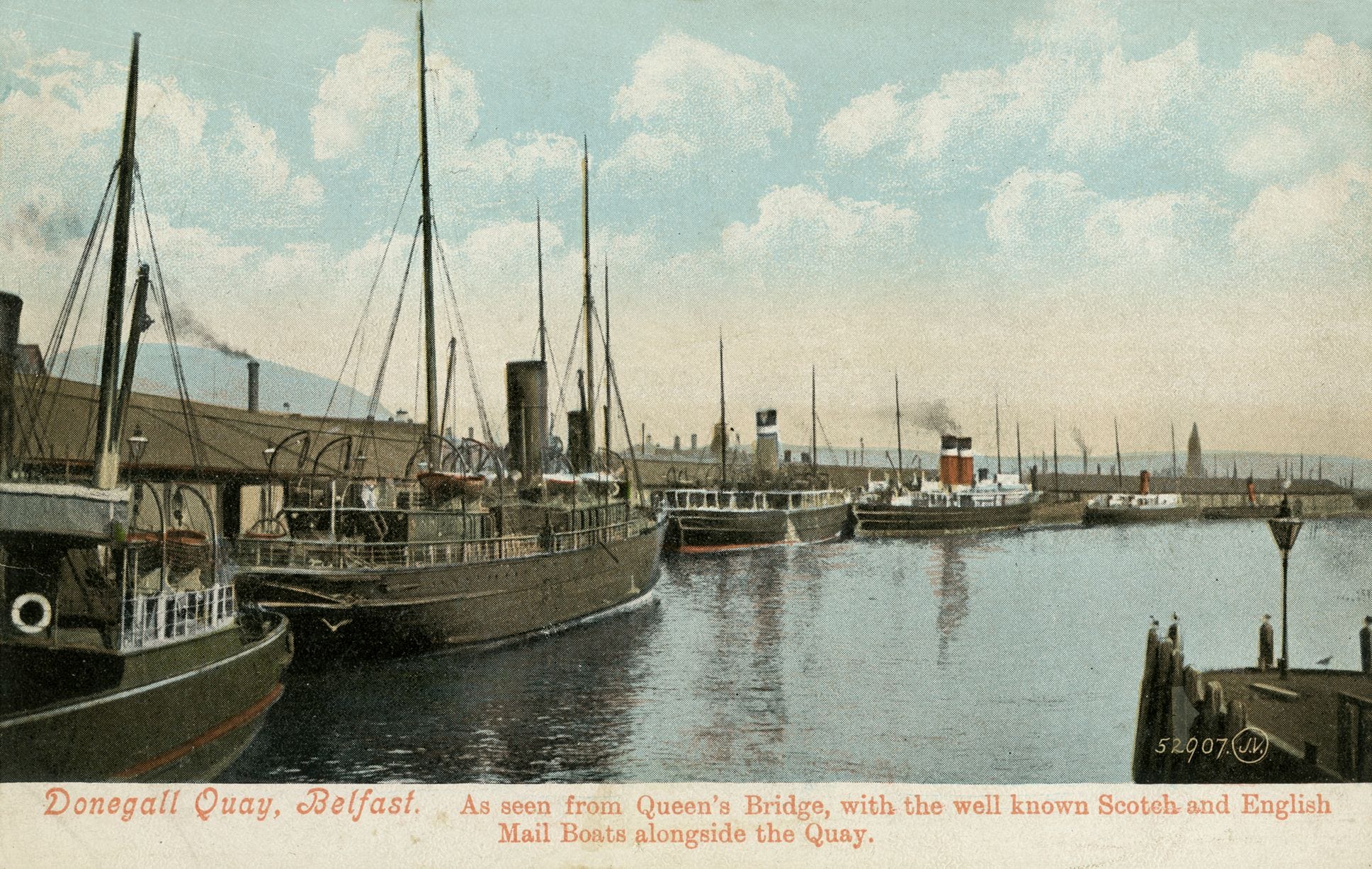
The distant Castlereagh hills would give Lewis an early sense of longing, as if he belonged to another place entirely. He would later write:
what we called “the Green Hills”; that is, the low line of the Castlereagh Hills which we saw from the nursery windows. They were not very far off but they were, to children, quite unattainable. They taught me longing— Sehnsucht; made me for good or ill, and before I was six years old, a votary of the Blue Flower.
A longing for paradise itself, a yearning for Joy, was brought about by his brother, Warnie, as Lewis explains:
Once in those very early days my brother brought into the nursery the lid of a biscuit tin which he had covered with moss and garnished with twigs and flowers so as to make it a toy garden or a toy forest. That was the first beauty I ever knew. What the real garden had failed to do, the toy garden did. It made me aware of nature—not, indeed, as a storehouse of forms and colours but as something cool, dewy, fresh, exuberant. I do not think the impression was very important at the moment, but it soon became important in memory. As long as I live my imagination of Paradise will retain something of my brother’s toy garden.
Another yearning was brought about once on a summer day, when standing near a currant bush. His bucolic surroundings gave the young boy a longing, a desire for something close to the “enormous bliss of eden”.
Despite their three year age difference, Warnie and Jack were close comrades, often reading, drawing, and writing stories in their nursery. Jack, inspired by Beatrix Potter, writing stories of anthropomorphic animals and Warnie, writing tales of soldiers, ships, and distant India. The friendship of their boyhood, would last the entirety of their lives.
From a young age, Lewis could sense that he was made for another world.
As a young boy, C.S. Lewis was prone to nightmares, as he writes in Surprised by Joy:
I remember nothing earlier than the terror of certain dreams. It is a very common trouble at that age, yet it still seems to me odd that petted and guarded childhood should so often have in it a window opening on what is hardly less than Hell. My bad dreams were of two kinds, those about spectres and those about insects. The second were, beyond comparison, the worse; to this day I would rather meet a ghost than a tarantula. And to this day I could almost find it in my heart to rationalise and justify my phobia. As Owen Barfield once said to me, “The trouble about insects is that they are like French locomotives—they have all the works on the outside.” The works—that is the trouble. Their angular limbs, their jerky movements, their dry, metallic noises, all suggest either machines that have come to life or life degenerating into mechanism. You may add that in the hive and the ant-hill we see fully realised the two things that some of us most dread for our own species—the dominance of the female and the dominance of the collective.
One book in his nursery particularly frightened him. It was a pop-up book, with a tiny, Tom Thumb like, child who is threatened by a very large stag beetle, whose pincers could move. It really had a frightful impact on the young boy. Lewis later wrote, How a woman ordinarily so wise as my mother could have allowed this abomination into the nursery is difficult to understand.
In 1905, when he was seven years old, a big change came about in a young C.S. Lewis’s life. He and his family moved to a new house, Little Lea. Known to Jack and his family as the “New House”. He wrote of it.
My father, who had more capacity for being cheated than any man I have ever known, was badly cheated by his builders; the drains were wrong, the chimneys were wrong, and there was a draught in every room. None of this, however, mattered to a child. To me, the important thing about the move was that the background of my life became larger. The New House is almost a major character in my story. I am a product of long corridors, empty sunlit rooms, upstair indoor silences, attics explored in solitude, distant noises of gurgling cisterns and pipes, and the noise of wind under the tiles.

In this book lined home, young Jack would be tutored by his mother in French and Latin and a governess, Annie Harper, a Presbyterian whom he, “made rather a bugbear of”, in all else. A religious lecture once given to him by her, in between arithmetic problems, is one of the first things Lewis remembers giving an idea of “another world” to his young mind.
He would spend his days reading everything he could get his hands on. The home had a “Little End Room”, an attic sitting room in which Jacks and Warnie could escape into a refuge of imagination.
What more felicity can fall to creature Than to enjoy delight with liberty?
Their father was a prolific buyer of books, buying every book that he planned to read. Because of this, during his boyhood, C.S. Lewis had access to an endless library.
There were books in the study, books in the drawing-room, books in the cloakroom, books (two deep) in the great bookcase on the landing, books in a bedroom, books piled as high as my shoulder in the cistern attic, books of all kinds reflecting every transient stage of my parents’ interests, books readable and unreadable, books suitable for a child and books most emphatically not. Nothing was forbidden me. In the seemingly endless rainy afternoons I took volume after volume from the shelves. I had always the same certainty of finding a book that was new to me as a man who walks into a field has of finding a new blade of grass. Where all these books had been before we came to the New House is a problem that never occurred to me until I began writing this paragraph. I have no idea of the answer.
He read countless books at this time, but not all retained his affection into adulthood. He would later write:
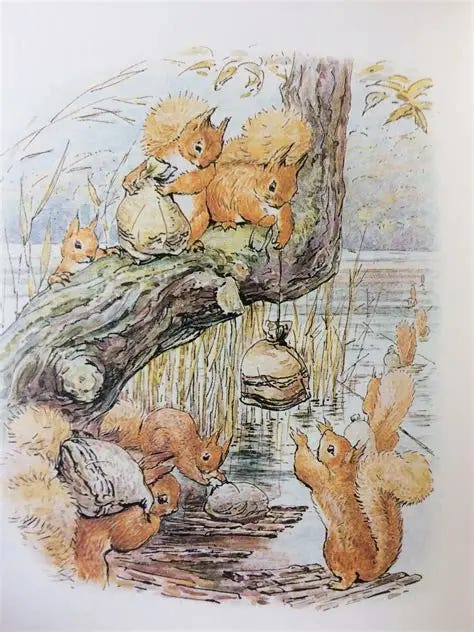
Conan Doyle’s Sir Nigel, which first set my mind upon “knights in armour”, I have never felt inclined to reread. Still less would I now read Mark Twain’s Yankee at the Court of King Arthur, which was then my only source for the Arthurian story, blissfully read for the sake of the romantic elements that came through and with total disregard of the vulgar ridicule directed against them. Much better than either of these was E. Nesbit’s trilogy, Five Children and It, The Phoenix and the Wishing Carpet, and The Amulet. The last did most for me. It first opened my eyes to antiquity, the “dark backward and abysm of time”. I can still re-read it with delight. Gulliver in an unexpurgated and lavishly illustrated edition was one of my favourites, and I pored endlessly over an almost complete set of old Punches which stood in my father’s study. Tenniel gratified my passion for “dressed animals” with his Russian Bear, British Lion, Egyptian Crocodile and the rest, while his slovenly and perfunctory treatment of vegetation confirmed my own deficiencies. Then came the Beatrix Potter books, and here at last beauty.
One Beatrix Potter book in particular, Squirrel Nutkin, would rekindle his desire for another place. It would trouble him with the “Idea of Autumn”, this longing was for something so incredibly different than ordinary life that it almost felt as if it came from “another dimension.”
The following passage from Longfellow’s Saga of King Olaf had a deep effect on him.
I heard a voice that cried,
Balder the beautiful Is dead,
is dead——
It transported him into regions “of northern sky, I desired with almost sickening intensity something never to be described (except that it is cold, spacious, severe, pale, and remote) and then, as in the other examples, found myself at the very same moment already falling out of that desire and wishing I were back in it.”
His childhood was full of glimpses of what he would call the central story of his life. An unsatisfied desire which is itself more desirable than any other satisfaction. A longing he could only describe as JOY.
Jack was a naturally clumsy boy, who instead of going out for sport, dedicated himself to writing. He and his brother, possessing a trait inherited from their father, even missing a joint in their thumb, which made athletic endeavors all the more difficult. Young Jack strove to build cardboard castles and to work with scissors and tools, finding himself hopelessly inept at doing physical things. So, as a last resource,
I was driven to write stories instead; little dreaming to what a world of happiness I was being admitted. You can do more with a castle in a story than with the best cardboard castle that ever stood on a nursery table
In his attic hideaway, which he decorated with brightly colored Christmas cutouts from magazines, he would write about chivalrous mice and rabbits who rode out in complete mail to kill not giants but cats. He would become quite the systemizer with his animal land stories, working on a history of his fictional world, even warning the reader that his chivalric stories may perhaps be no more than legends. He was a critical historian of his own world. He would make maps of the land, complete with steamship routes, connecting it all with his brother’s fictional version of India. Eventually, the boys created a shared world known as Boxen. A combination of Jack’s anthropomorphic “clothed animals”, and Warnie’s love of soldiers, sail, and steam.
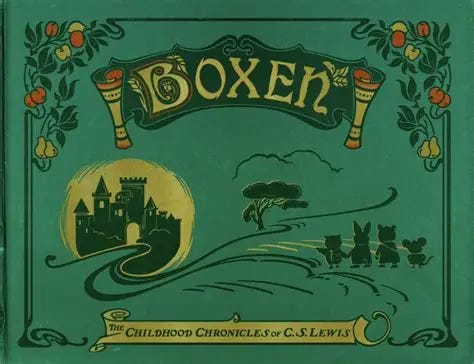
Once his brother Warnie went off to Wynyard School in England, his days, from 1905-1908, were increasingly spent in solitude and lost in imagination. He missed his brother, often fantasizing about their reunions. Once, in 1907, at the age of 9, he wrote:
“Hoora!’ Warnie comes home this morning. I am lying in bed waiting for him and thinking of him, before I know where I am I hear his boots pounding on the stairs, he comes into my room, we shake hands and begin to talk.”
Warnie’s being away at school made no difference in their relationship. On his visits home, their friendship would pick up right where it had left off.
Jack’s idyllic childhood would come to an end in 1908, when his mother sickened with cancer, and his grandfather, Richard, would die from a stroke on April 2nd.
His mother lasted for about four months, passing away at 6.30 in the morning, on August 23rd. Albert Lewis’s birthday. C.S. Lewis, would later write of her death:
There came a night when I was ill and crying both with headache and toothache and distressed because my mother did not come to me. That was because she was ill too; and what was odd was that there were several doctors in her room, and voices and comings and goings all over the house and doors shutting and opening. It seemed to last for hours. And then my father, in tears, came into my room and began to try to convey to my terrified mind things it had never conceived before. It was in fact cancer and followed the usual course; an operation (they operated in the patient’s house in those days), an apparent convalescence, a return of the disease, increasing pain, and death. My father never fully recovered from this loss.
Albert, wrote of the death of his wife:
I spoke to her (nor was it the first time by any means that a conversation on heavenly things had taken place between us), ‘sometimes begun by her, sometimes by me, of the goodness of God. Like a flash she said, “What have we done for him?” May I never forget that. She died at 6.30 on the morning of the 23rd August, my birthday. As good a woman, wife and mother, as God has ever given to man.
The grief was rough on the boys, and rough on their father as well. In addition to losing a father, and a wife in the span of four months, Albert would lose his brother just two weeks later.
I’ll let C.S. Lewis, recall this grief, in his own words.
Children suffer not (I think) less than their elders, but differently. For us boys the real bereavement had happened before our mother died. We lost her gradually as she was gradually withdrawn from our life into the hands of nurses and delirium and morphia, and as our whole existence changed into something alien and menacing, as the house became full of strange smells and midnight noises and sinister whispered conversations. This had two further results, one very evil and one very good. It divided us from our father as well as our mother. They say that a shared sorrow draws people closer together; I can hardly believe that it often has that effect when those who share it are of widely different ages. If I may trust my own experience, the sight of adult misery and adult terror has an effect on children which is merely paralysing and alienating. Perhaps it was our fault. Perhaps if we had been better children we might have lightened our father’s sufferings at this time. We certainly did not. His nerves had never been of the steadiest and his emotions had always been uncontrolled. Under the pressure of anxiety his temper became incalculable; he spoke wildly and acted unjustly. Thus by a peculiar cruelty of fate, during those months the unfortunate man, had he but known it, was really losing his sons as well as his wife. We were coming, my brother and I, to rely more and more exclusively on each other for all that made life bearable; to have confidence only in each other. I expect that we (or at any rate I) were already learning to lie to him. Everything that had made the house a home had failed us; everything except one another. We drew daily closer together (that was the good result)—two frightened urchins huddled for warmth in a bleak world. Grief in childhood is complicated with many other miseries. I was taken into the bedroom where my mother lay dead; as they said, “to see her”, in reality, as I at once knew, “to see it”. There was nothing that a grown-up would call disfigurement—except for that total disfigurement which is death itself. Grief was overwhelmed in terror. To this day I do not know what they mean when they call dead bodies beautiful. The ugliest man alive is an angel of beauty compared with the loveliest of the dead. Against all the subsequent paraphernalia of coffin, flowers, hearse, and funeral I reacted with horror. I even lectured one of my aunts on the absurdity of mourning clothes in a style which would have seemed to most adults both heartless and precocious; but this was our dear Aunt Annie, my maternal uncle’s Canadian wife, a woman almost as sensible and sunny as my mother herself. To my hatred for what I already felt to be all the fuss and flummery of the funeral I may perhaps trace something in me which I now recognise as a defect but which I have never fully overcome—a distaste for all that is public, all that belongs to the collective; a boorish inaptitude for formality. My mother’s death was the occasion of what some (but not I) might regard as my first religious experience. When her case was pronounced hopeless I remembered what I had been taught; that prayers offered in faith would be granted. I accordingly set myself to produce by will-power a firm belief that my prayers for her recovery would be successful; and, as I thought, I achieved it. When nevertheless she died I shifted my ground and worked myself into a belief that there was to be a miracle. The interesting thing is that my disappointment produced no results beyond itself. The thing hadn’t worked, but I was used to things not working, and I thought no more about it. I think the truth is that the belief into which I had hypnotised myself was itself too irreligious for its failure to cause any religious revolution. I had approached God, or my idea of God, without love, without awe, even without fear. He was, in my mental picture of this miracle, to appear neither as Saviour nor as Judge, but merely as a magician; and when He had done what was required of Him I supposed He would simply—well, go away. It never crossed my mind that the tremendous contact which I solicited should have any consequences beyond restoring the status quo. I imagine that a “faith” of this kind is often generated in children and that its disappointment is of no religious importance; just as the things believed in, if they could happen and be only as the child pictures them, would be of no religious importance either. With my mother’s death all settled happiness, all that was tranquil and reliable, disappeared from my life. There was to be much fun, many pleasures, many stabs of Joy; but no more of the old security. It was sea and islands now; the great continent had sunk like Atlantis
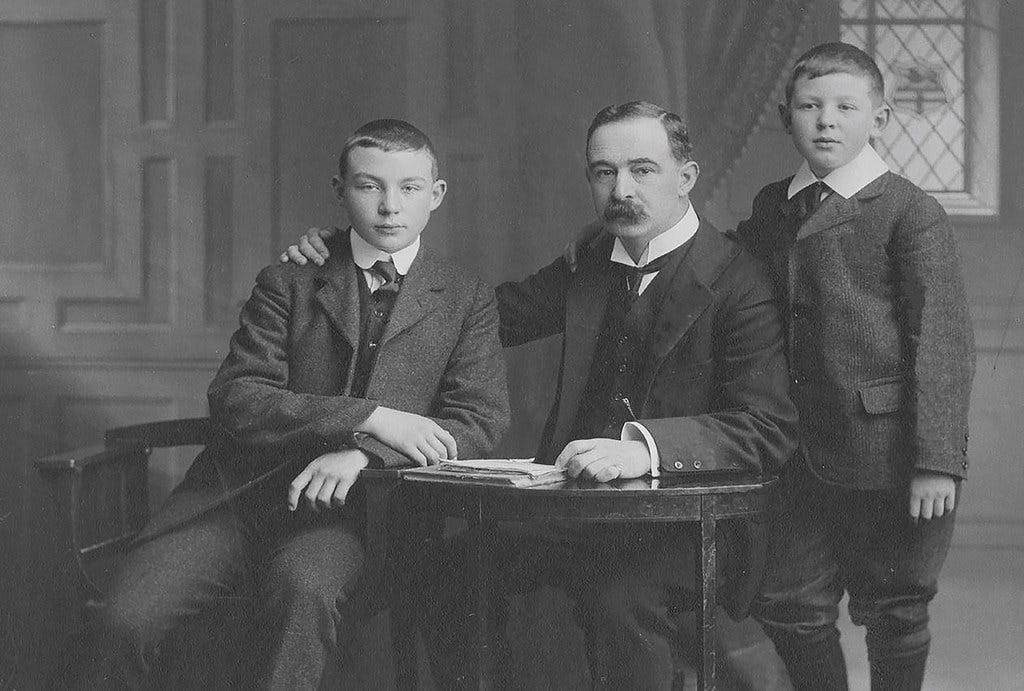
The grief made it tough for Albert to care for his boys alone. He was in unimaginable pain. Though he deeply loved his sons, he was in no position to look after them without help. So, it was decided.
The next step for young Jack was to accompany his brother to school.
I’m Barbarian Herodotus, follow for more masculine virtue.
A link to purchase A.N Wilson’s biography (I will receive a commission)
A link to Surprised by Joy (I will receive a commission)